Kyler Min
Student Volunteer
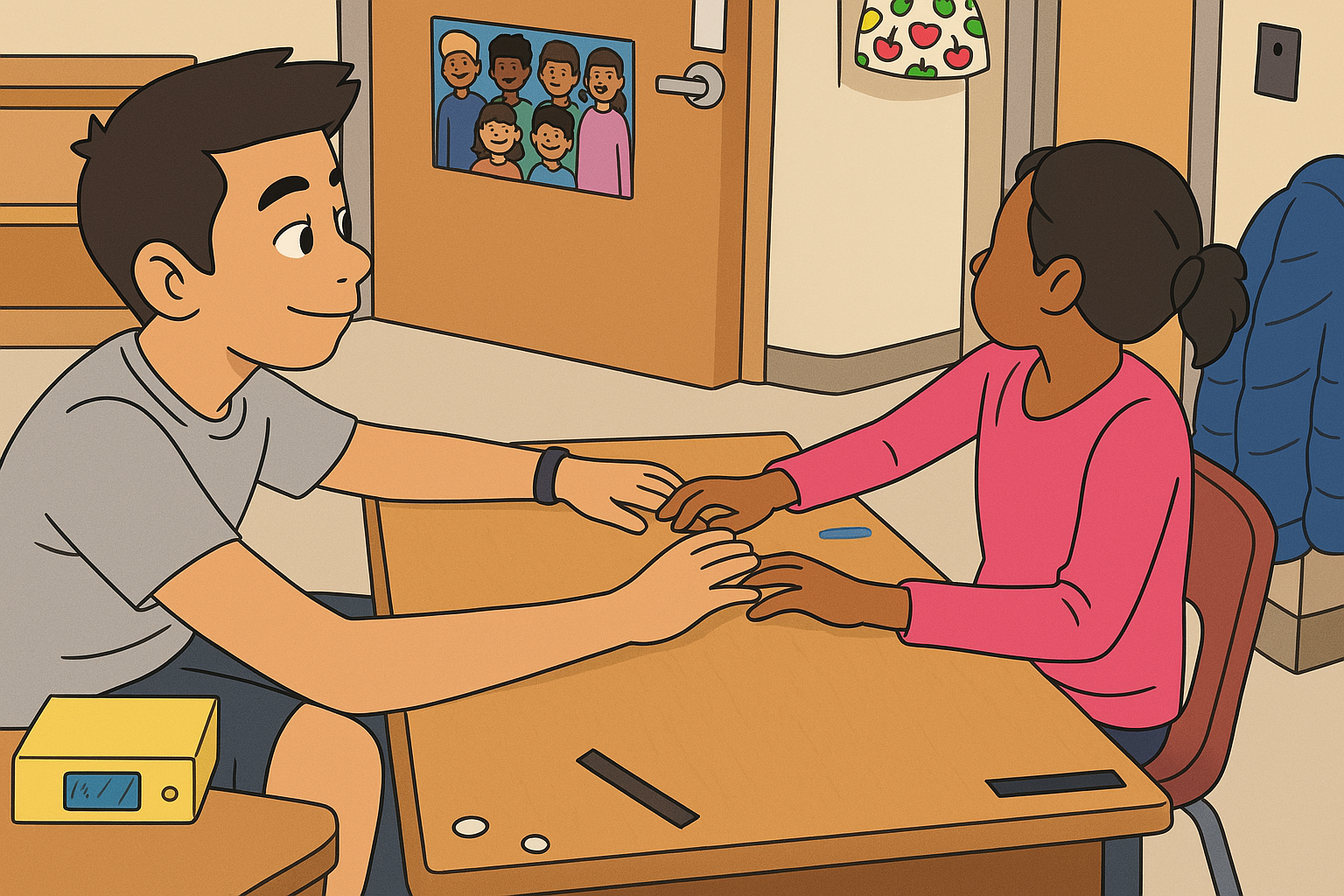
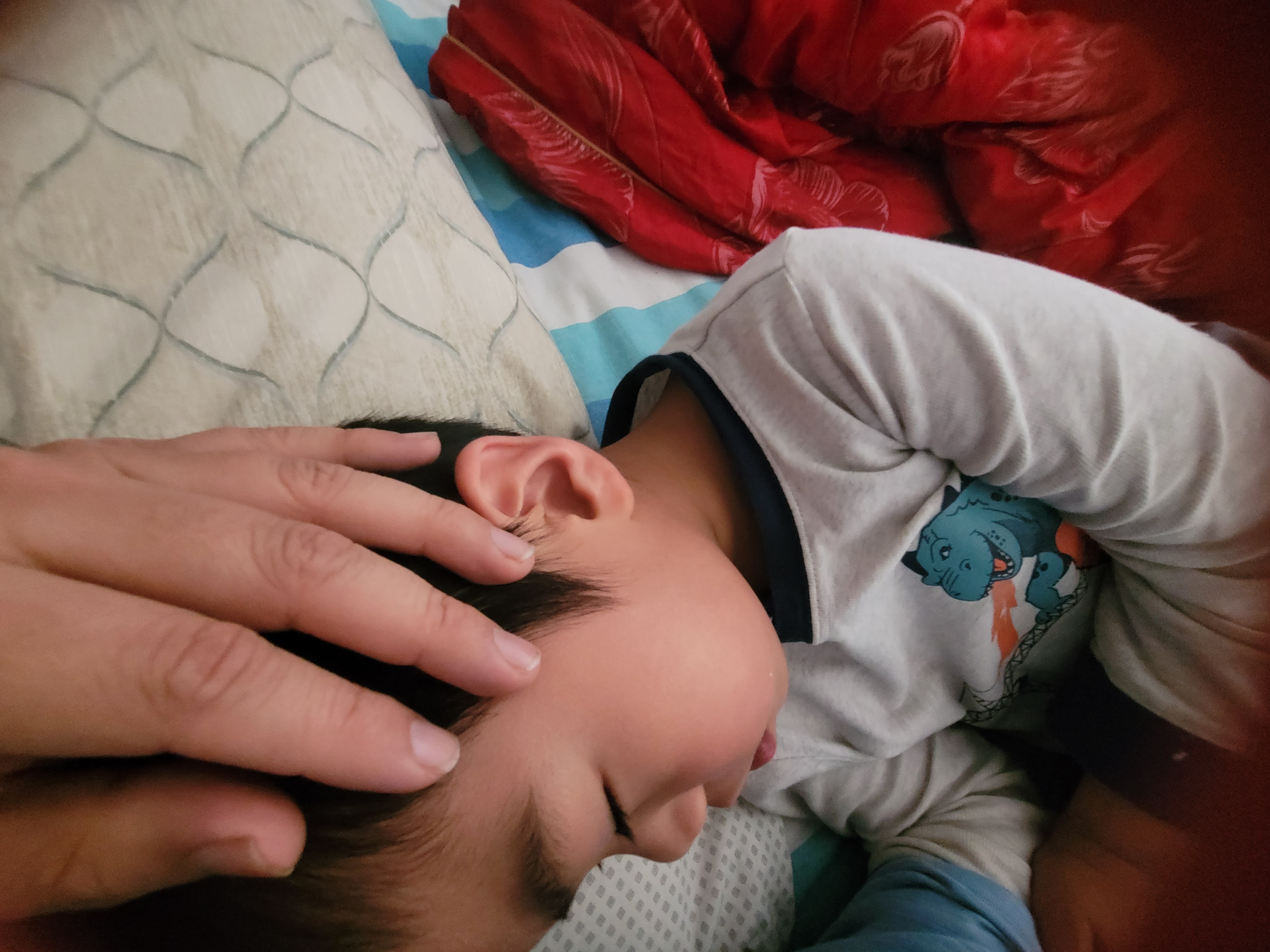
They were always there—in the corners of hallways, or in small, dedicated centers attached to senior centers and schools. I just never noticed them.
After my younger brother was diagnosed, I began to see a world I had somehow been walking past for years. And realizing that has been difficult. I keep thinking about how many children and families were there all along, needing support, while I went about my life without ever stopping to look.
In Fairfax County alone, there are around 100 preschool autism classrooms. When I learned that, I started studying this world more seriously. The more I looked, the more I realized that these classrooms were not just numbers or distant places I had never noticed. They represented children, families, and futures—and I had been blind to them until my own family became part of that world.
I regret that I didn't see them sooner. But now that I do, I can't look away.
What I do outside of building the tools
I was selected as a Best Peer at the Kilmore Center, a program that pairs teens with children who have disabilities so that those kids have someone alongside them — not just supervising, but participating. Some weeks that means one-on-one activity time; some weeks it's just being consistent enough that a kid knows I'm there.
I am also an adaptive swimming instructor at the RESt Community Center, where I teach swimming to children with disabilities, including autistic children. Adaptive swim is a place where the coach is actually looking for the kids other classes miss.
Beyond that, I coach kids on the spectrum in adaptive soccer, and I work with kids on reading and math. Sometimes at the table. Sometimes on the floor. Sometimes we get one problem done and that is the whole session.
On Sundays, I serve on the access ministry at my church. Access ministry is the practical thing: making sure kids like Leon have a room to be in, a person paying attention, and something appropriate to do, while their parents are in service. It sounds simple. It is not, but it can be done.
Certifications
Everything on this list I use in the work with kids or in building the tools they use:
- CPR — Cardiopulmonary Resuscitation
- AED — Automated External Defibrillator
- BACB-certified — Behavior Analyst Certification Board (Registered Behavior Technician)
- Adaptive Swim Instructor — certified to teach swimming to children with disabilities
- Google Certified AI Professional
- Microsoft Certified Python Professional
Certifications are not the point. The point is that I can put the coaching and the code in the same head, so a worksheet is not written by someone who has never taught a kid, and a lesson plan is not shaped by someone who cannot build the thing.
Why Hope In Steps
I have spent a lot of time in rooms where the answer to "what did they work on today" is "coloring, because we didn't have anything else." That is not a knock on the teachers. It is a knock on the fact that a first grade curriculum about presidents has nothing to hand a kid who is still learning "you" and "I."
Someone had to build the missing middle. So we are.